
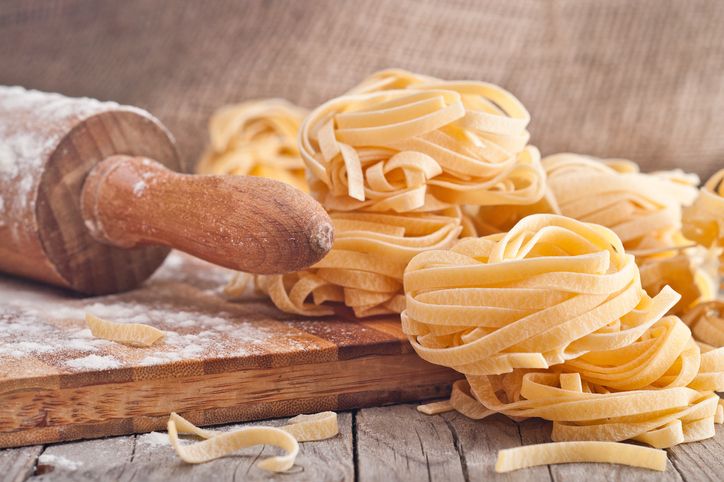
There are many beliefs about pasta: it always causes weight gain, it should not be eaten late in the evening, and it should not be consumed when on a diet. Let’s look at the myths and see what the real truth is.

Dr. Asya
As a biochemist, she has expertise in developing and implementing new methods of assessing fatty acids in the blood. She also studies the processes occurring in the human body, and works to help people stay healthy and defeat old age.
Myth 1: You cannot eat pasta when dieting
Pasta made from hard flour is the main source of complex carbohydrates. Pasta in a low-calorie diet, according to the principles of the Mediterranean diet, can help to lose weight. Pasta has a low glycemic index and due to this property helps to control blood glucose levels and weight. Of course, it should be eaten in moderation.
Myth 2: Pasta should not be eaten in the evening
Limiting eating in the evening is a way to combat weight gain. However, it can be okay in moderation. The consumption of carbohydrates (specifically pasta, which is rich in tryptophan and vitamin B) can help to overcome stress and insomnia. To prevent pasta-based dishes from causing weight gain, you should avoid fatty, creamy sauces and high-calorie additives, and add...
Premium Content
This article contains exclusive premium content. Get full access to expert health insights, personalized recommendations, and much more with Ornament Health.
Full Articles
Access all expert articles
Health Tracking
Track your health metrics
Test Results
Store and analyze test results
Start your health journey today