
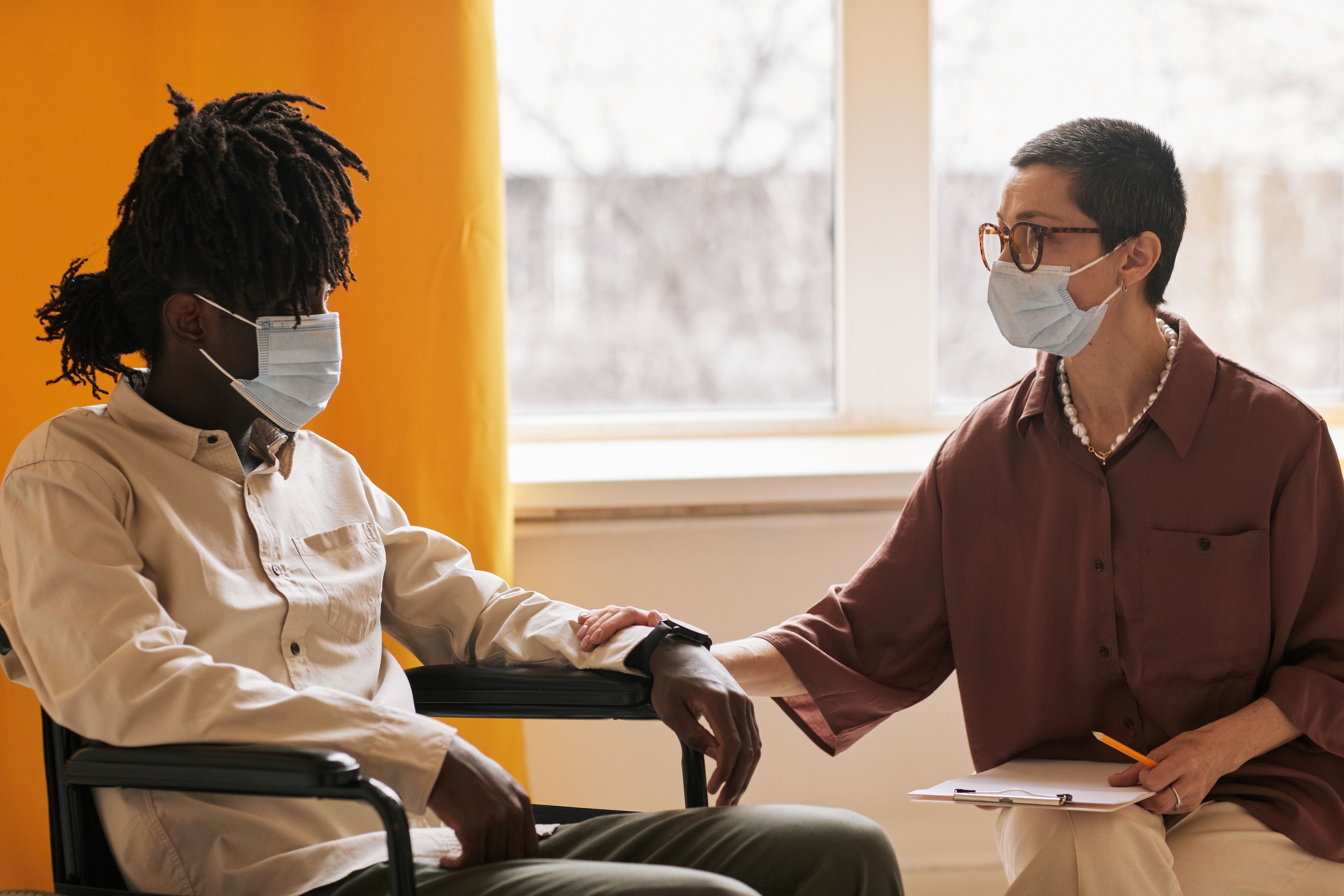
Research data on the impact of COVID-19 on mental health suggest that during the pandemic there was an increase in eating disorders and depression, alcohol and drug use, divorce, domestic violence, and suicide. Now that the worst is seemingly behind us, many people are experiencing some sort of PTSD. So how does it manifest itself?

Dr. Irene
There is a massive need for mental health help
The stress of the pandemic has affected almost everyone, but especially those who have struggled with the disease. People began to see therapists, neurologists, and psychologists more often with complaints such as fear of isolation and loneliness, panic over job and income loss, and an inability to adjust to their new lives.
According to research in the journal General Hospital Psychiatry, post-traumatic stress disorder (PTSD) rates are particularly high in patients who have been hospitalized with COVID-19. And a study published in The Lancet Psychiatry found that one-third of patients with COVID-19 were diagnosed with neurological or psychological problems within six months of being infected. Diagnoses included anxiety, depression, PTSD, ...
Premium Content
This article contains exclusive premium content. Get full access to expert health insights, personalized recommendations, and much more with Ornament Health.
Full Articles
Access all expert articles
Health Tracking
Track your health metrics
Test Results
Store and analyze test results
Start your health journey today