
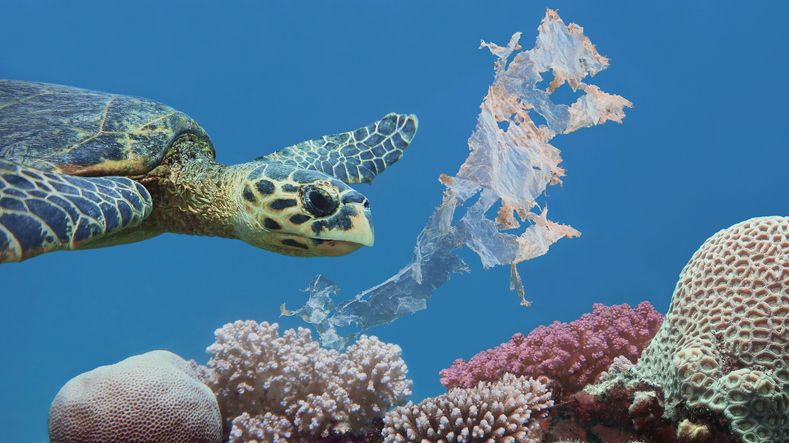
In recent decades, the issue of microplastics has become increasingly urgent, drawing the attention of scientists, environmentalists, and the public. These tiny particles, less than five millimeters in size, not only infiltrate the environment—oceans, rivers, and even the atmosphere—but also make their way into the food we eat. How dangerous are they, and what can we do to minimize their impact on the body?

Dr. Eugénia
How Microplastics Enter the Body
Since microplastics are present in soil and water, they easily contaminate food products such as fish and seafood, meat, fruits, vegetables, grains, salt, and sugar. Water and beverages stored in plastic containers can also accumulate harmful micro-particles. Plastic utensils or cookware coated with nonstick surfaces can contain microplastics. Microplastics are also present in dust and industrial emissions, and they are released from synthetic fabrics, car tires, furniture, carpets, and other household items—meaning they end up in the very air we breathe. Particles may even penetrate through damaged skin, as certain cosmetics and personal care products contain microplastics.
What Makes Them Dangerous?
Research has shown that microplastics can accumul...
Premium Content
This article contains exclusive premium content. Get full access to expert health insights, personalized recommendations, and much more with Ornament Health.
Full Articles
Access all expert articles
Health Tracking
Track your health metrics
Test Results
Store and analyze test results
Start your health journey today